A cherry is only a promise. What happens after the harvest — on the drying beds, at the sorting table, in the cup — decides what it becomes. You spend those days inside the work, at the Altieri finca in Boquete.
This is not a tour. It is not a class. It is a few days inside the work that turns a cherry into a coffee.
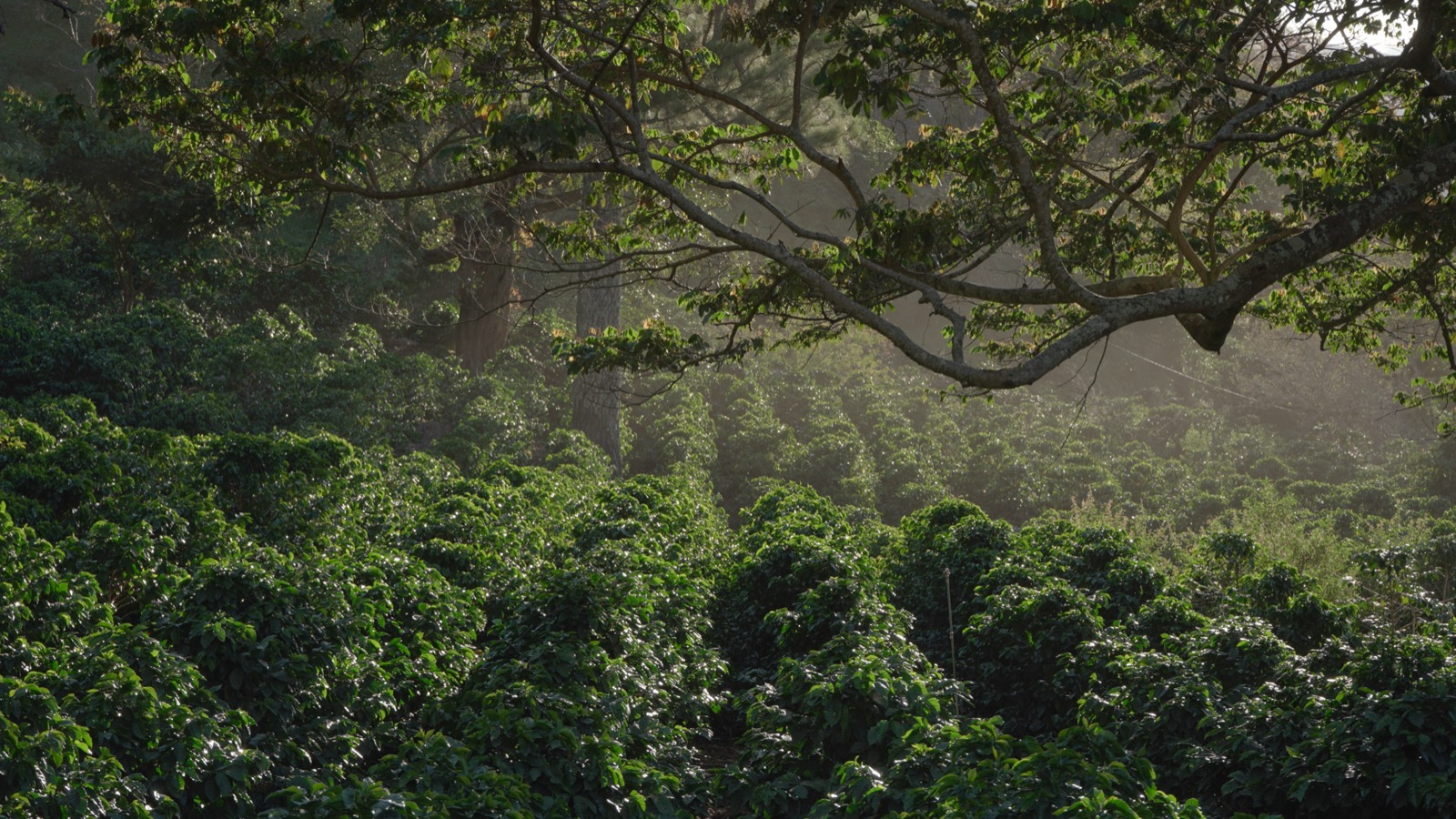
The Altieri finca sits in the mountains of Boquete, where the harvest is only the beginning. Long after the cherries come off the tree, the coffee is still deciding what it will taste like — on the beds, in the sorting, in the cup.
You come year-round. There is no season to wait for. The post-harvest work runs all year, and you step into it beside the people who do it. Up to four apprentices at a time. Never a group.
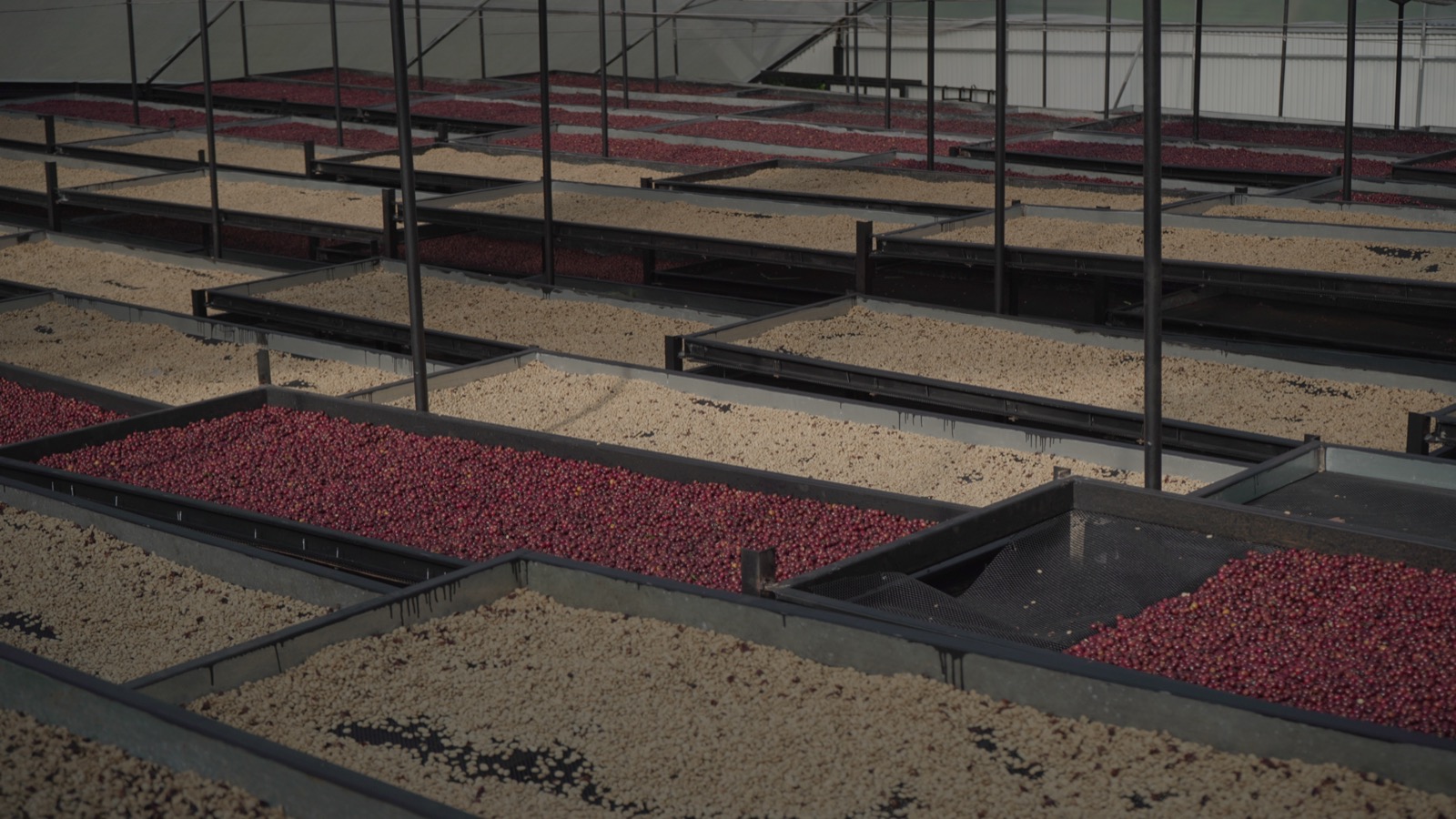
Turn and monitor the coffee on raised African beds, reading how it dries in the mountain air.
Track the drying day by day to the point that holds — not too fast, and not too far.
Pull defects out by hand, so only sound beans stay in the lot.
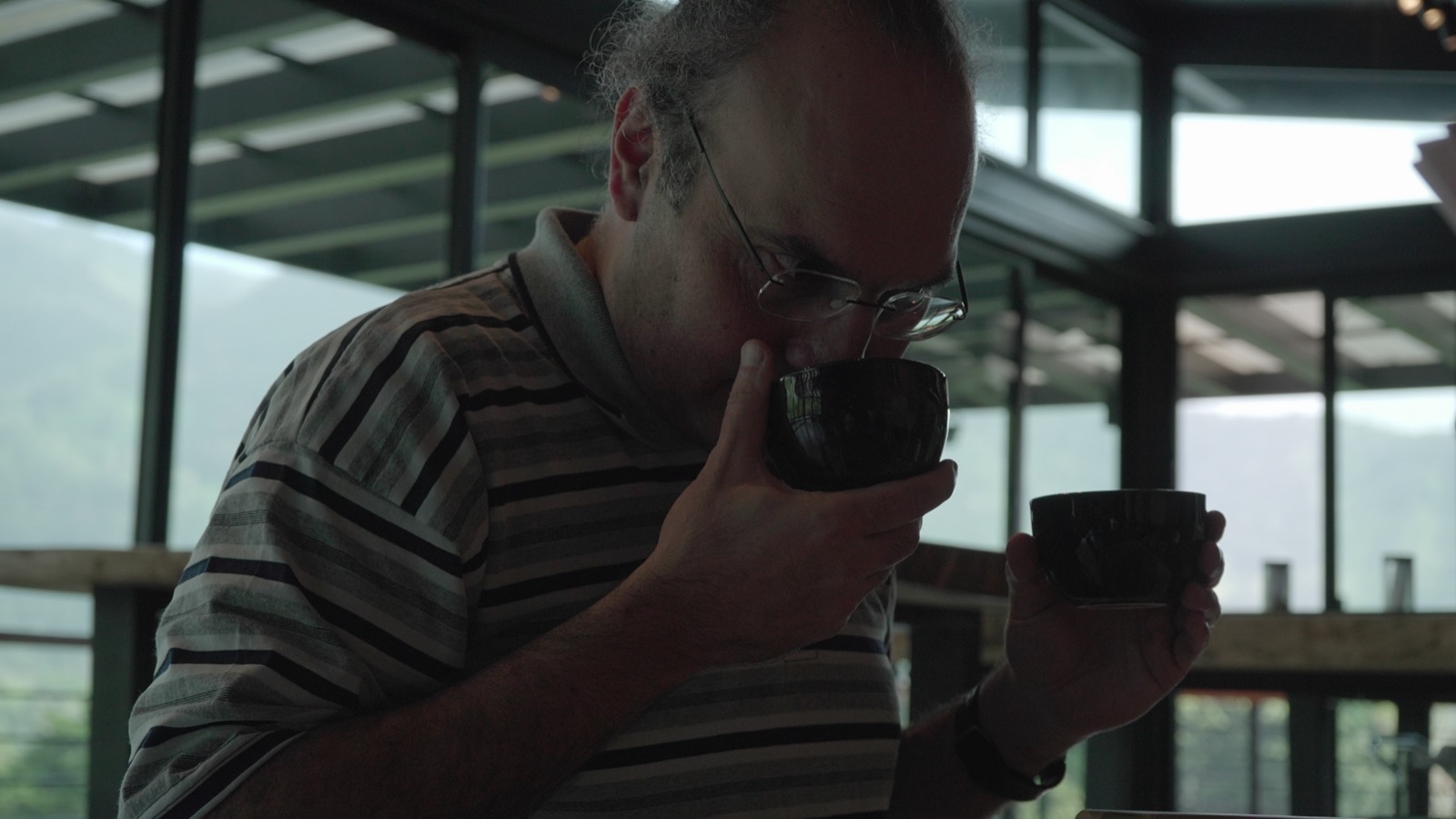
Taste what the lot became — sweetness, acidity, body, and the faults you learn to name.
Score the coffee and separate what reaches specialty grade from what does not.
Build a small lot, bagged and ready to send to a buyer — the end of the days that decided it.
Quality control is not a demonstration here. You stand at the beds, you sort with your hands, and you sit at the cupping table beside the people whose judgment sets the grade. Real trades, real people, real conditions.
By the end, you understand a truth most coffee drinkers never meet: the cup is decided long after the harvest, in the quiet, exacting days that come after. You come home with their point of view, not a souvenir.
We're opening the first post-harvest apprenticeships at the finca. Leave your email and we'll write to you first, with dates and details.
No spam. One note when the first dates open.